
Let adventure begin here.
ARITAR - SILK ROUTE
Nestled in the eastern Himalayas, Aritar is one of Sikkim's most scenic and peaceful tourist destinations. Surrounded by lush forests, rolling hills, and magnificent mountain views, Aritar is famous for the picturesque Lampokhari (Aritar Lake), one of the oldest natural lakes in Sikkim where visitors can enjoy boating and serene surroundings. The region is also known for ancient monasteries, beautiful viewpoints, and pleasant weather throughout the year.
Aritar serves as one of the gateways to the historic Old Silk Route, the ancient trade route that once connected India with Tibet. The Silk Route journey takes travelers through breathtaking mountain villages. The route is especially popular for its sunrise views over Mt. Kanchenjunga and its rich historical significance.
Whether you are looking for nature, adventure, photography, birdwatching, or a peaceful mountain retreat, Aritar and the Silk Route provide an unforgettable Sikkim experience.


Places of interest
Lampokhari (Aritar Lake)
Silk Route
Elephant Lake

Lampokhari, located in the picturesque village of Aritar in East Sikkim, is one of the oldest natural freshwater lakes in Sikkim. Surrounded by lush green forests, pine trees, and rolling hills, the lake offers a serene and peaceful atmosphere for nature lovers. Visitors can enjoy boating on the calm waters while admiring the breathtaking mountain scenery. Aritar is also known for its pleasant climate, beautiful gardens, and nearby attractions such as the ancient Dak Bungalow, Mankhim View Point, and Aritar Monastery. The destination is ideal for those seeking a tranquil getaway, birdwatching opportunities, and stunning views of the Eastern Himalayas. Lampokhari and Aritar together provide a perfect blend of natural beauty, culture, and relaxation, making them a popular offbeat destination in Sikkim.
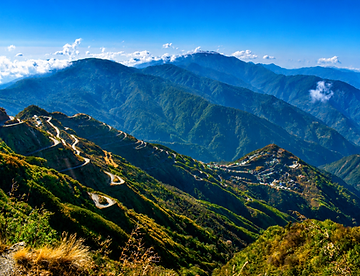
Silk Route is one of the most scenic mountain tourism circuits in Sikkim, following a section of the ancient trade route that once connected India with Tibet. Located in the eastern Himalayas, the route offers breathtaking views of snow-capped peaks, winding mountain roads, alpine forests, and high-altitude lakes. The journey passes through picturesque villages such as Zuluk, Padamchen, Gnathang Valley, and Lungthung, where visitors can experience the rich culture and hospitality of the local communities. One of the main attractions is the famous Zig Zag Road with its 32 hairpin bends, offering spectacular panoramic views. On clear days, travelers can witness the majestic Kanchenjunga, the world's third-highest mountain.

Elephant Lake, also known as Kupup Lake or Hathi Pokhari, is one of the most picturesque high-altitude lakes on the historic Silk Route in East Sikkim. Situated at an elevation of about 13,000 feet (3,960 metres) near the village of Kupup, the lake is famous for its unique elephant-like shape when viewed from above, which gives it the name Elephant Lake. Surrounded by rugged Himalayan mountains and alpine meadows, the crystal-clear glacial lake offers breathtaking views throughout the year. During winter, the lake and its surroundings are often covered in snow, creating a spectacular landscape. It lies close to the historic Jelep La Pass, once an important trade route between India and Tibet, making it a significant stop on the Old Silk Route circuit.
Gompa Monastery

Gompa Monastery is a peaceful Buddhist monastery located along the historic Old Silk Route in East Sikkim. Surrounded by pine forests, rolling hills, and panoramic Himalayan landscapes, the monastery offers visitors a serene atmosphere ideal for meditation and spiritual reflection. The colorful prayer flags, traditional Buddhist architecture, and chanting of monks create a truly tranquil experience.
Baba Mandir

Baba Harbhajan Singh Mandir is one of the most revered shrines in East Sikkim, located on the historic Silk Route at an altitude of about 13,000 feet. The temple is dedicated to Baba Harbhajan Singh, an Indian Army soldier who is believed to continue protecting soldiers and travelers even after his death in 1968. According to local legend, his spirit guards the high-altitude border areas and warns the army of impending dangers.
Gnathang Valley

Gnathang Valley, also known as Nathang Valley, is one of the most beautiful high-altitude destinations on the historic Silk Route in East Sikkim. Situated at an elevation of about 13,500 feet, the valley is surrounded by rolling mountains, alpine meadows, and pristine landscapes that change colors with every season. During winter, heavy snowfall transforms the valley into a breathtaking white wonderland, while summer and autumn offer clear views of the Himalayan ranges and colorful wildflowers.
Mulkharka Lake

Mulkharka Lake is a serene and offbeat tourist destination located in the Kalimpong district near the Sikkim border. Situated at an altitude of about 7,300–7,500 feet, the lake lies amidst dense Himalayan forests and offers breathtaking natural beauty. The lake is famous for its crystal-clear water, which reflects the majestic Kanchenjunga peak on clear mornings, making it a major attraction for nature lovers and photographers. It is also considered sacred by local communities and is often called the “Manokamana (wishing) lake.” Tourism here is mainly eco-based and peaceful, as the place is still relatively unexplored. Visitors usually trek about 1–2 km from nearby villages like Lingsey or Mulkharka village to reach the lake, passing through forests rich in birds, butterflies, and flora.
Nathu La

Nathu La is one of the most famous mountain passes in the Eastern Himalayas, situated at an altitude of about 4,310 metres (14,140 feet) on the historic Silk Route. It connects the Indian state of Sikkim with Tibet, an autonomous region of China. Once a vital trade route for merchants exchanging silk, wool, spices, and other goods, Nathu La now serves as an important border crossing and a symbol of India–China relations.
Pithamchin

Pithamchin is recognized as a village and homestay destination in the Pedong–Lingsey area of Kalimpong district and is part of the growing offbeat tourism circuit of the Eastern Himalayas. Surrounded by lush forests, rolling hills, and terraced farmlands, this offbeat destination offers breathtaking views of the Eastern Himalayas, including the majestic Kanchenjunga range on clear days. The village is known for its peaceful atmosphere, rich Lepcha and Nepali culture, and warm hospitality offered through local homestays. Nature lovers can enjoy village walks, birdwatching, photography, and short treks through pine and rhododendron forests. Away from the crowds, Pithamchin provides a perfect retreat for travelers seeking tranquility, natural beauty, and an authentic Himalayan village experience.